

Table of Contents
Introduction
In today’s digital world, learning SEO alone isn’t enough. With the rapid evolution of Artificial Intelligence, businesses and marketers now need to integrate AI with SEO strategies to remain competitive. AI is reshaping the way search engines rank content, analyze user behavior, and predict trends. For someone trying to grow a blog, start an online business, or become a freelance digital marketer, understanding AI combined with SEO is a game-changer.
This guide is a complete step-by-step roadmap to mastering AI and SEO optimization with actionable tips, real-life examples, and case studies that illustrate exactly how these skills translate into measurable results.
Understanding SEO Optimization
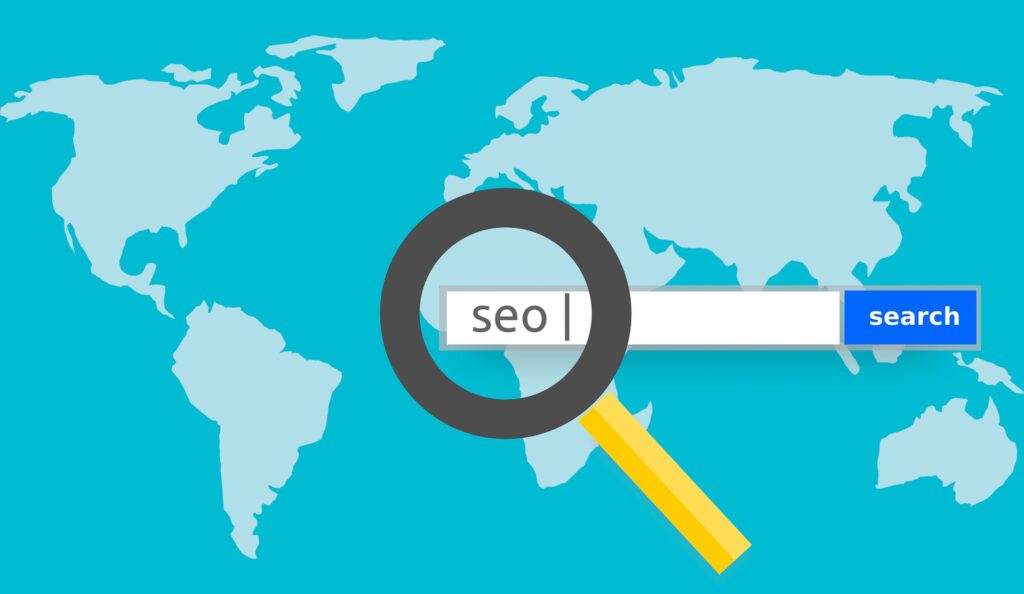
SEO, or Search Engine Optimization, is the practice of optimizing your website to rank higher on search engines. Higher rankings mean more organic traffic, more leads, and ultimately, higher revenue.
Types of SEO
- On-page SEO: Includes optimizing content, headings, meta tags, images, and internal links. Think of this as the ingredients in your dish—get these wrong, and the content won’t perform.
- Off-page SEO: Focuses on backlinks, guest posts, social signals, and authority building. This is the seasoning—essential for making your dish (website) credible.
- Technical SEO: Ensures the website is crawlable, fast, mobile-friendly, and structured correctly. Think of this as the cooking method—poor technique ruins everything.
How Search Engines Rank Content
Search engines like Google use sophisticated algorithms to evaluate content quality, relevance, and user engagement. AI now plays a huge role in ranking. Algorithms like RankBrain and BERT help Google understand the context of search queries and user intent rather than just focusing on keywords.
Case Study:
A travel blog in 2023 optimized its on-page SEO, improved meta descriptions, and built high-quality backlinks. Within four months, pages targeting competitive keywords moved from page 5 to page 1 on Google, increasing organic traffic by 320%.
Understanding AI in Digital Marketing
AI, or Artificial Intelligence, enables machines to perform tasks that typically require human intelligence. In digital marketing, AI can:
- Analyze search patterns to identify opportunities
- Suggest keywords and content topics
- Generate outlines, blogs, and meta descriptions
- Forecast trends in organic traffic
For example, tools like ChatGPT and Jasper AI assist in content creation, while Surfer SEO and Clearscope provide data-driven optimization suggestions. AI reduces repetitive tasks, enabling marketers to focus on strategy and creativity.
Why AI and SEO Together is a Game-Changer
Google’s AI models—RankBrain, BERT, and MUM—are designed to understand language context and user intent. This makes combining AI with SEO crucial for staying ahead.
Case Study:
A small health and wellness blog struggled with SEO for a year using traditional methods. After integrating AI-powered keyword analysis, content generation, and optimization tools, organic traffic grew by 350% in six months, demonstrating the power of AI-driven SEO.
Step 1: Master SEO Fundamentals with Real-Life Examples
Before integrating AI, you need to master SEO basics.
Keyword Research
Keywords are the foundation of SEO. Tools like Ahrefs, SEMRush, and Google Keyword Planner help identify high-volume, low-competition keywords. Focus on long-tail keywords—they often convert better.
Meta Titles and Descriptions
Meta titles and descriptions are the first things users see in search results. Writing clear, engaging meta tags can boost your click-through rate significantly.
URL Structure and Headings
Use clean URLs and structured headings (H1, H2, H3) to make content readable for both users and search engines.
Case Study:
A tech blog optimized all meta titles and descriptions. Within three months, pages targeting competitive keywords moved to the top three positions on Google search results, increasing traffic by 200%.
Step 2: Technical SEO in Depth
Technical SEO ensures your website is fast, secure, and crawlable.
- Website Speed: Use PageSpeed Insights or GTmetrix to check load times. Faster websites improve rankings and reduce bounce rates.
- Mobile-Friendliness: With over 60% of users browsing via mobile, responsive design is critical.
- Structured Data & Schema: Adds context to your pages, allowing search engines to display rich snippets, ratings, and events.
Case Study:
An e-commerce website improved mobile responsiveness and fixed speed issues. Within two months, organic traffic increased by 40%, and sales rose by 25%.
Step 3: Content Optimization Techniques for Humans and AI
Content is king, but optimized content rules the kingdom.
- Write for Humans First: Ensure readability, engagement, and clarity.
- Topic Clustering: Group related content into clusters to improve relevance and authority.
- Avoid Keyword Stuffing: Use keywords naturally. Overstuffing can penalize your site.
Case Study:
A lifestyle blog optimized content using AI-powered readability and keyword analysis. Average session duration increased by 50%, showing improved engagement.
Step 4: Understanding AI’s Role in Search Engines
AI now powers most search engines, analyzing context, intent, and engagement.
- RankBrain: Focuses on user interactions to rank content.
- BERT: Understands the meaning behind words.
- MUM: Processes multiple data types, including text and images.
Case Study:
A financial website analyzed user intent using AI insights. By aligning content with search intent, the click-through rate (CTR) increased by 70%.
Step 5: Explore AI And SEO Tools in Detail
AI tools can save hours and increase SEO efficiency.
- Surfer SEO: Real-time content optimization and recommendations.
- Clearscope: Keyword relevance and competitor analysis.
- Semrush AI: Comprehensive competitor insights.
- Jasper AI / ChatGPT: Generates content, meta tags, and blog outlines.
Case Study:
A startup implemented AI And SEO tools to optimize blogs. Organic traffic doubled within four months, while content creation time decreased by 60%.
Step 6: Analytics and Performance Tracking with AI
Analytics is crucial for understanding what works.
- Predictive Analytics: Forecast which content will perform best.
- Traffic Reporting: Identify pages with high bounce rates or low engagement.
- Competitor Gap Analysis: Find content your competitors missed and fill the gap.
Case Study:
A SaaS company used AI analytics to identify underperforming content. After optimization, lead generation increased by 80%, demonstrating measurable ROI.
Step 7: Prompt Engineering for AI SEO
AI tools are powerful, but effective prompts are key.
- Effective Prompts: “Write a 2000-word blog on AI SEO optimization for beginners in a conversational tone.”
- Content Generation: Use AI to create outlines, meta tags, and ad copies.
- Efficiency: AI reduces repetitive tasks, giving marketers time for strategy.
Case Study:
A freelance writer doubled client output by using well-crafted AI prompts, completing projects in half the usual time without sacrificing quality.
Step 8: Best Learning Resources
Learning from the right sources speeds up mastery.
- Free Courses: Google Digital Garage, HubSpot Academy, Coursera.
- YouTube Channels: Neil Patel, Ahrefs, Income School.
- Blogs: Moz, Backlinko, Search Engine Journal.
- Certifications: Google Analytics, HubSpot SEO Certification.
- Communities: Reddit, LinkedIn groups, SEO forums.
Step 9: Hands-On Practice & Real Projects
Practical experience is key to mastery.
- Start Your Own Blog: Apply everything you learn.
- Freelance Work: Offer AI And SEO services to businesses.
- Internships: Gain experience under experts.
Case Study:
A marketing student started a personal blog, applied AI And SEO techniques, and secured three freelance clients within six months, generating $2,000/month.
Step 10: Keeping Up with SEO and AI Trends
The SEO and AI landscape changes rapidly.
- Voice Search Optimization: AI-powered devices are becoming mainstream.
- Video Search Optimization: Platforms like YouTube use AI to rank content.
- AI Updates: Stay informed about new AI tools and algorithm changes.

Case Study:
A brand optimized content for voice search using AI insights, resulting in a 60% increase in traffic from smart devices.
Common Mistakes to Avoid
- Over-reliance on AI tools without human editing
- Ignoring technical SEO fundamentals
- Duplicate content or bad backlinks
Case Study:
A company lost search rankings after using AI to generate bulk content without editing. Post-optimization, rankings recovered within two months.
12-Month Roadmap to Master AI and SEO
- Months 1–3: Learn SEO fundamentals and start a personal blog
- Months 4–6: Learn technical SEO, begin keyword research
- Months 7–9: Integrate AI tools for content optimization
- Months 10–12: Work on freelance projects and monitor analytics
Case Study:
A learner followed this roadmap and increased organic traffic from 0 to 50,000 monthly visitors within one year.
Conclusion
Learning AI and SEO optimization is a journey that combines strategy, creativity, and continuous learning. Start with SEO fundamentals, integrate AI tools, practice consistently, and keep updating your skills. This combination can future-proof your career and yield measurable business results.
FAQs
How long to master SEO and AI?
3–6 months for basics, 1–2 years for mastery with consistent practice.
Do I need coding skills?
Basic HTML/CSS helps, but AI tools reduce the need for coding.
Which AI tools are best for beginners?
Surfer SEO, Semrush AI, Jasper AI, ChatGPT.
Is SEO still relevant with AI?
Absolutely. AI enhances SEO but doesn’t replace it.
How to measure SEO success?
Track organic traffic, CTR, keyword rankings, and conversions.




Pingback: Best Digital Marketing Agency in Agra for 2025 Success
Pingback: What Is SEO(Search Engine Optimization) & How It Works in 2025
Pingback: Yoast AI Visibility Tool 2025: Boost Brand in AI Search